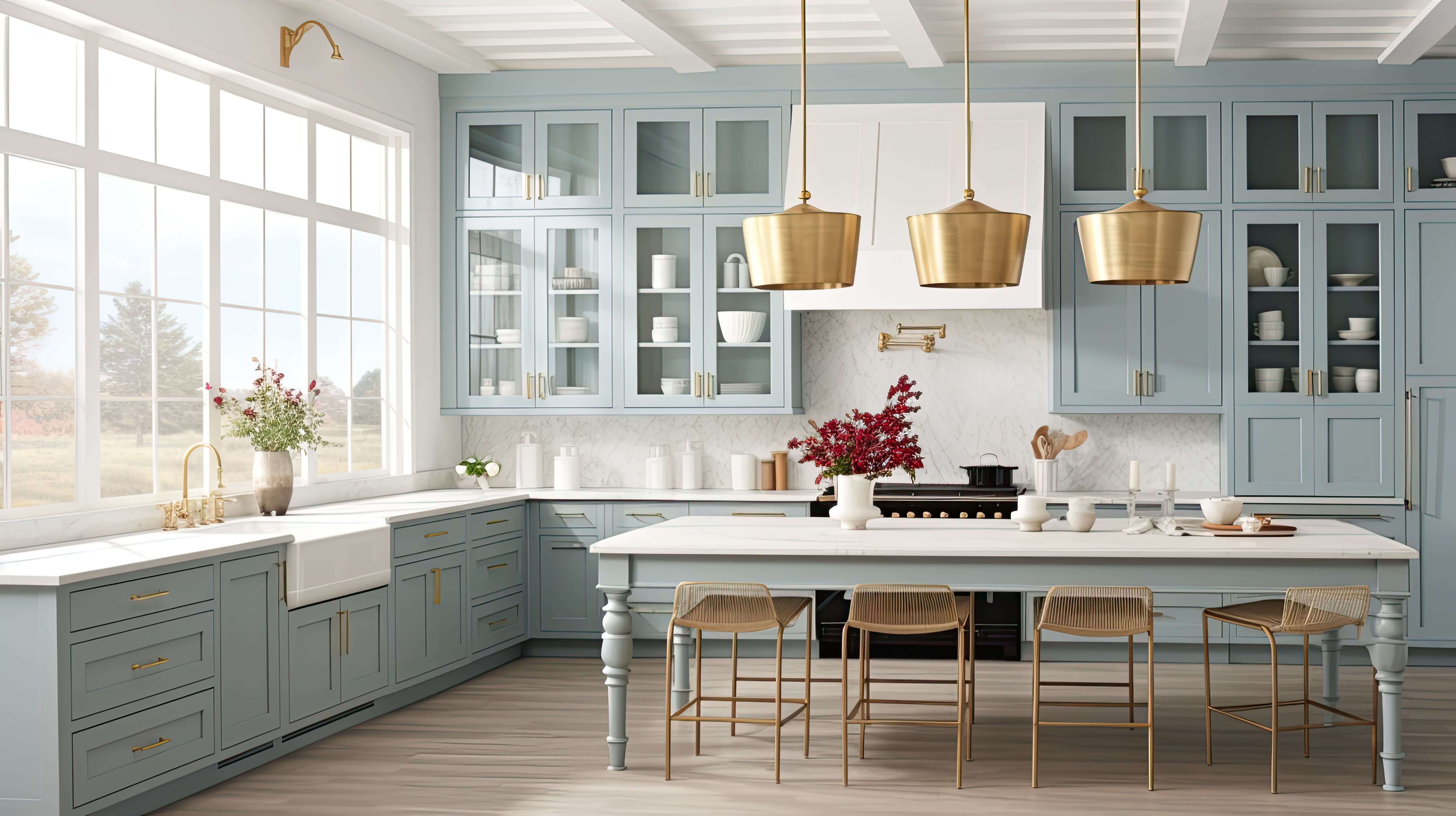
Cabinet doors are an important element in kitchen, bathroom, and mudroom design, and choosing between stock and custom cabinet doors is essential to achieving the right style and quality for the project while staying on budget and adhering to the project timeline.
This guide compares stock versus custom cabinet doors across key decision factors, including cost materials, construction quality, and lead times. We’ll also take a look at cabinet door costs, long-term value, and scalability along with how each type of cabinet door fits into your workflow.
What Are Stock Cabinet Doors?
Stock cabinet doors are pre-manufactured in predetermined sizes, styles, and finishes and are typically available through hardware stores or online retailers. They are commonly made from MDF, thermofoil, veneer, or laminate, though some higher-end stock lines may include hardwoods such as birch, maple, cherry, or white oak.
Some stock cabinet doors use mortise and tenon joinery, but more often, they are mitered, which doesn’t provide the same level of long-term strength and durability.
Because they are mass-produced, stock cabinet doors are available quickly, with sizing and options limited to what the manufacturer offers. The lower upfront cost and availability make them a practical choice for budget-conscious projects or quick-turn installations.
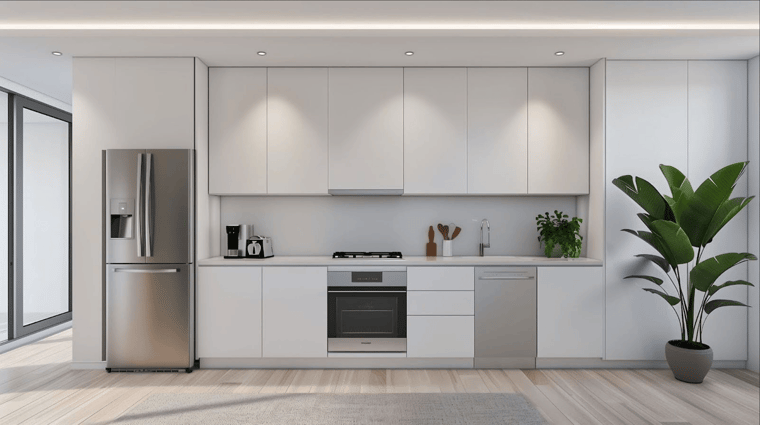
Pros and Cons of Stock Cabinet Doors
Stock cabinet doors can work well for projects with standard cabinet sizes and straightforward layouts, but their limitations affect installation flexibility, durability, and long-term value. Their lower upfront cost makes them appealing for tight budgets, and one of the main advantages is ease of replacement—if a stock cabinet door is damaged, it’s fairly simple to order a replacement.
However, these benefits come with tradeoffs. Stock cabinet doors are generally less durable than custom-built options and offer limited flexibility in sizing, material selection, finish options, and design profiles, and they lack the flexibility needed for unique layouts and non-standard cabinet sizes. This can create challenges when working with non-standard openings or higher-end projects where consistency and long-term performance matter.
What Are Custom Cabinet Doors?
Custom cabinet doors are built to spec for each individual project and their precision fit makes them ideal for unique cabinet sizes and layouts. They can also be used to upgrade standard cabinets and reduce the need for reorders caused by poor fit or sizing limitations with stock options. Construction methods typically include 5-piece cope-and-stick, as well as 2-piece and 1-piece MDF designs.
Custom cabinet doors are available in premium hardwoods and high-grade MDF. Most custom cabinet door manufacturers offer a variety of framing bead profile options, which can be combined with a selection of center panel styles. Rail and stile widths are typically fully customizable, allowing each door to match the exact specifications of the project.
True custom manufacturing includes build-to-order sizing, a wide selection of high-quality wood species, flexibility in profile design, and finishing options such as unfinished, primed, or fully painted or stained. It also involves a high level of quality control to ensure consistency across every order.
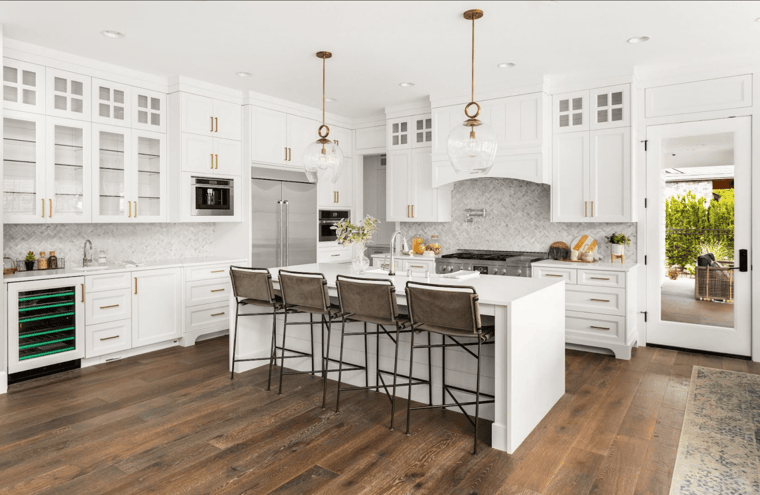
Pros and Cons of Custom Cabinet Doors
Custom cabinet doors offer a precise fit for unique projects and are built using higher-quality hardwoods and premium MDF, resulting in superior strength and durability. They also offer unique profiles and the option to customize as needed for a one-of-a-kind look tailored to project needs.
Reliable manufacturers can deliver custom cabinet doors with predictable timelines—Eagle Woodworking, for example, offers 2 week lead times for made-to-order doors, helping keep projects on schedule.
These benefits come with a few considerations, including a higher upfront investment and the need for precise measurements. For projects with a larger budget or unique needs, custom cabinet doors offer flexibility, though lead times are typically longer than stock options to account for production time.
Stock vs. Custom Cabinet Doors: Side-by-Side Comparison
The main considerations when comparing stock and custom cabinet doors are the price and sizing options, but design flexibility, material quality, lead time, and long-term durability also play a large role. Custom cabinet doors typically last longer than stock doors and are built to exact measurements rather than pre-manufactured in standard sizes. Understanding the long-term value and how cabinet door choice affects project efficiency can help you make the best decision.
|
Feature |
Stock Cabinet Doors |
Custom Cabinet Doors |
|
Price |
Lower upfront cost |
Higher upfront cost, stronger long-term value |
|
Lead Time |
Mass-produced for quick availability |
2-3 week reliable lead times (with the right manufacturer) |
|
Material Quality |
Varies by manufacturer; often lower-grade hardwoods or engineered materials |
High-grade hardwood and premium MDF or plywood |
|
Size Flexibility |
Limited to pre-determined sizes |
Built to exact specifications |
|
Design Options |
Limited styles, finishes, and profiles |
Customizable styles, profiles, and finishes |
|
Long-Term Durability |
Generally less durable; more prone to wear and replacement over time |
Built for long-term durability; can be refinished to extend lifespan |
Upfront Cost vs Long-Term Value
Stock cabinet doors typically have a lower upfront cost than custom options. This is true when you only consider purchase price alone. However, once jobsite labor is factored in, the initial savings can shrink. Stock doors may require modifications, fillers, or adjustments to fit the project properly. If they don’t fit perfectly, rework can increase labor costs and extend timelines.
Additionally, stock cabinets typically last 15-30 years but often require more frequent replacement compared to custom-built options. When you factor in stock door replacement costs over time, long-term value declines.
Custom cabinet doors are designed specifically for each project, so installation is more efficient with minimal need for rework or modification. They also offer greater long-term value and consistent performance over time, often lasting 40 years or more with proper finishing and maintenance. This helps contractors protect margins by reducing labor time, callbacks, and replacement costs.
Material Quality and Construction Standards
Custom cabinet doors are typically built using high-quality hardwoods such as maple, white oak, poplar, and walnut. These materials provide greater durability and stability under daily use. When paired with cope-and-stick construction, custom doors provide strong joinery, structural integrity, and long-term reliability.
While some stock cabinets are built with a cope-and-stick joint, many use mitered edge construction, which isn’t as durable. Paired with lower-grade materials, stock cabinet doors may struggle to hold up under daily use and changing humidity conditions. As a result, they are more prone to warping, joint separation, and visible wear, especially in high-use or high-humidity environments.
Lead Times and Project Scheduling
Custom cabinet doors typically have a longer lead time than stock options because they are built to spec for each project. However, these production timelines are predictable and ensure made-to-order accuracy. Stock cabinet doors are often marketed as readily available, but they may still require shipping time, and availability can vary depending on inventory. In addition, stock doors may require extra time on the jobsite for adjustments or modifications if they don’t fit properly.
While stock options can appear faster upfront, custom cabinet doors often provide more reliable scheduling by reducing delays caused by rework, replacements, or inconsistent sizing.
Cost Breakdown: What Really Impacts Stock vs. Custom Cabinet Door Pricing?
Cabinet door pricing is driven by a combination of material grade, construction precision, finish level, order size, and logistics—not simply whether the door is stock or custom. While stock cabinet doors are often assumed to be the lower-cost option, that comparison can be misleading. The total cost depends on the materials used, the complexity of the design, and how much labor is required to install and finish the doors.
Material
For example, wood species play a major role in pricing. Stain-grade maple and white oak are more expensive but offer greater durability and a smoother finish, while paint-grade maple and engineered materials like MDF provide a more cost-effective option for paint-grade projects.
Complexity
Profile complexity also impacts cost. A standard Shaker door is typically more affordable than a raised panel or a custom edge profile, which requires additional machining and labor. Finish stage is another key factor—unfinished doors reduce upfront cost but require more jobsite labor, while primed doors shift that labor offsite and improve consistency.
Order Volume and Shipping
Order volume and freight can further influence pricing. Larger orders may reduce per-unit costs, while shipping distance and packaging requirements can affect total project cost, especially for smaller or rush orders.
Each of these factors impacts workflow efficiency and margin protection. The quality of the products and reliable timelines lead to more efficient installation and reduce the need to reorder damaged doors or rework areas where the fit isn’t perfect. Professional-grade craftsmanship and a reliable partner create a seamless process from contractor-friendly ordering all the way through installation.
Choosing the Right Door for Your Project
When choosing between stock and custom cabinet doors, consider your project’s budget, timeline, material preferences, and required level of craftsmanship. Stock cabinet doors work best for straightforward installations with standard sizes and tighter budgets. For unique layouts or higher-end builds, custom cabinet doors provide precise sizing, greater design flexibility, and dependable production timelines. Evaluating these factors upfront can also help guide client conversations and uncover opportunities to improve quality, efficiency, and long-term value.
Eagle Woodworking helps contractors balance speed, quality, and ease of ordering. Our consistently high quality custom cabinet doors are built to spec, delivered fast, and designed for a simple, contractor-friendly ordering experience.
Frequently Asked Questions
What is the typical lead time for custom cabinet doors?
Custom cabinet door lead times vary widely across the industry, with many suppliers shipping in 14 to 20 days. Eagle Woodworking has a standard 2 week lead time for cabinet doors, helping contractors keep projects on schedule. Lead times can be affected by material availability, finish requirements, and order complexity. For example, requests for non-stock wood species or thicknesses may extend production timelines. It’s important to confirm timelines upfront to align production with your installation schedule and avoid delays.
How do material choices affect the cost and durability of cabinet doors?
Material choice directly impacts both cost and durability. Higher-grade wood species like maple and white oak cost more than lower-grade hardwoods or engineered materials such as laminate or veneer, but they offer greater strength, stability, and long-term performance.
Can stock cabinet doors be refinished or modified after purchase?
Stock cabinet doors can sometimes be modified, but options depend on the material and construction. Minor adjustments like drilling new hinge holes or repainting may be possible, but resizing or altering the door profile is usually not practical. Refinishing also varies by material: thermofoil doors generally cannot be refinished, while veneer doors may allow limited refinishing depending on veneer thickness. Solid wood cabinet doors offer the most flexibility, since they can typically be sanded, refinished, or repainted if the finish needs to change later. If a project requires significant modifications or precise sizing, custom cabinet doors are usually the better option because they are built to exact specifications.
How should I measure for custom cabinet doors to ensure a precise fit?
When measuring cabinet doors, first determine whether the doors will be inset, partial overlay, or full overlay doors. From there, measure the height and width of the door opening. To each measurement, add twice the overlay measurement. You’ll also need to measure for hinge placement. Always double check the measurements before ordering to ensure they’re correct. Common mistakes include measuring the overlay incorrectly and neglecting to double check the measurements.
Are there cost savings when ordering custom doors in larger quantities?
In some cases, volume pricing and bulk order discounts can lead to cost savings when ordering custom doors in larger quantities. Once production is set up for a specific design, scaling to higher volumes improves efficiency and lowers per-door pricing. This is important when comparing stock vs. custom—on larger projects, custom doors may be more cost-effective than expected.